
The Global Padel Industry Is Having a Real Conversation. Here Is What I Will Be Watching.

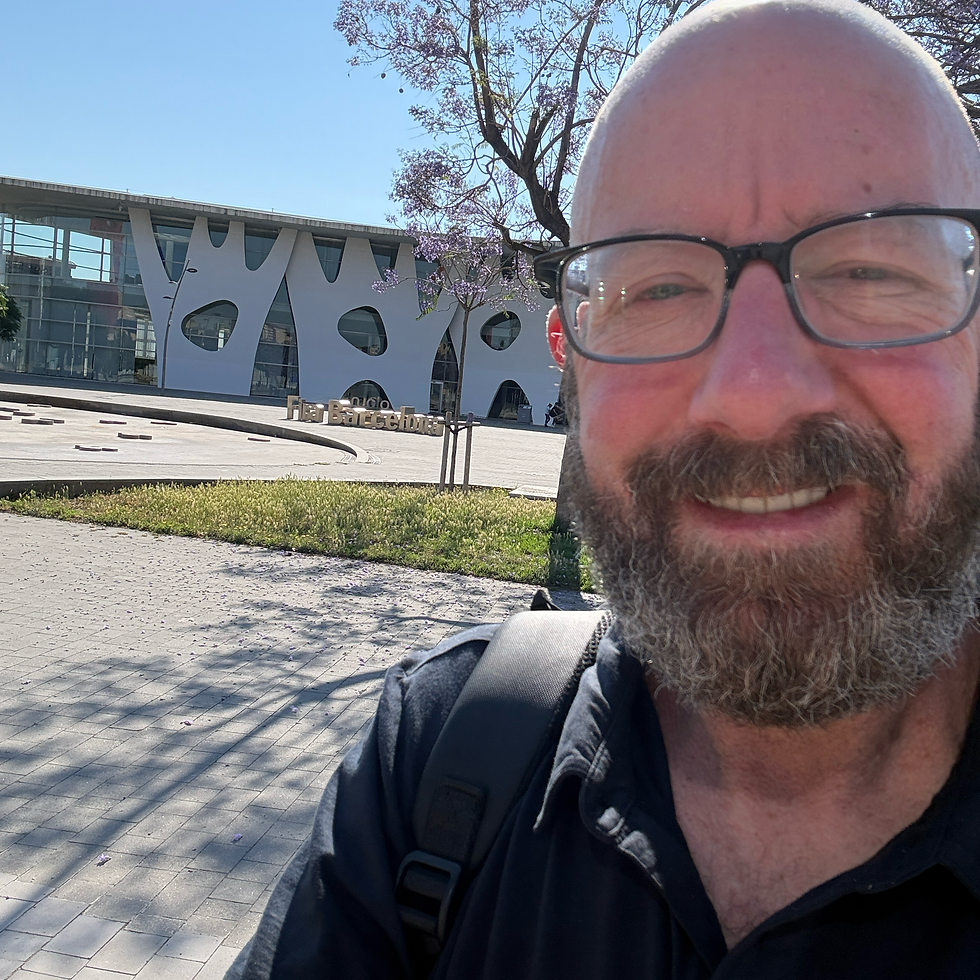
In 14 days I will be in Barcelona at the Padel World Summit - the biggest professional padel event in the world. 130 exhibitors from more than 20 countries. More than 6,000 industry professionals. Ten active courts in the Play Arena. Twenty-plus startups in the Innovation Arena. A Business Lounge built specifically for turning connections into deals. The event covers every part of the industry - from court construction and club financing to technology, media rights, and federations. It is 35% larger than last year.
The timing matters. The U.S. just crossed one million padel players and one thousand courts for the first time. Those are not just milestones - they are the starting gun for a different and harder conversation about what comes next. That conversation is happening in Barcelona. Most U.S. operators are not in it yet.
I am going as the U.S. Development Partner for the - the global industry organization that co-produces the event with Fira Barcelona. I am not going as a visitor. I am going as part of the team.
This issue is the preview. Issue 06 will be the debrief - what I actually heard, what surprised me, and what it means for the U.S. market.
The Padel Industry Has Changed the Question It Is Asking
The first session on Tuesday morning is called "From Boom to Balance: Building a sustainable future for padel's global expansion."
Read that again. The biggest padel event in the world is opening with a session about staying alive - not growing fast.
That is not a coincidence. The theme of the entire conference is "Next Padel." Six topics: global expansion, business models, technology, coaching, community, and industry partnerships.
The conference organizers describe it simply: content is not theoretical here. It is built for decision-making. The people in that room are not there to listen to panels. They are there to figure out where to invest, what to build, and whom to partner with.
A year ago, everyone was talking about growth. How fast. How many courts. Which country is next. That has not stopped. But the industry is now asking a harder question: what does it take to build a padel business that actually lasts?
That shift is happening because the markets that grew the fastest are now dealing with what comes after the rush. Sweden built hundreds of courts between 2018 and 2021. By 2023, closures were showing up. The sport grew. Not all businesses made it. This session is led by a padel consultant who has worked across markets in Europe and Asia, with panelists such as Daniel Dios Zetterlind at WME Sports as well as Padel-TV in Stockholm - people who have watched this play out up close and have a real perspective on what went wrong and what worked.
The U.S. does not have to go down that road. But only if we first pay attention to what happened everywhere else.
The Seven Sessions I Will Be Watching
I read every session description before writing this. Here is where the real conversation is.
"From Boom to Balance." Tuesday morning. Already covered above. This is the framing session for everything that follows. How do you turn early enthusiasm into something that lasts? The answer matters to every U.S. operator riding the current wave who has not thought seriously about what comes next.
"5 Things You Need to Know About the U.S. Market." Tuesday afternoon. Twenty minutes on the Innovation Stage led by Chris Klein of the International Association of Pickleball and Padel Facilities. Short, sharp, and the session I am most curious about - because it is the global industry's read on us. I want to hear what they think the U.S. is getting right, what they think we are missing, and whether their five things match what I am seeing on the ground here.
"How Latino Is Padel, Really? The Second Movers' Rise to the Throne." Tuesday afternoon. Spain and Argentina built this sport. But this session is about who is building it next. Bill Ullman, President of the United States Padel Association (USPA), is on the panel alongside voices like Saidja Drentje at CAA Portas as well as SportAI Tech LLP. The question underneath it: are second-mover countries like the U.S. actually driving innovation and building real institutions - or are we still just inspired by the pioneers? Search interest in padel in the U.S. is up 72 percent in the last year. People are curious. The infrastructure has not yet caught up. I want to hear what Bill says in that room about where we actually stand.
"The Place To Be(Long): Shaping Padel's Most Engaging Social Spaces." Wednesday morning. This one connects directly to what I wrote in Issue 04. The best padel clubs are not just places to play - they are becoming true third spaces, places where people connect and belong beyond home and work. This session brings together community managers from Soul Padel in Manchester, Gpadel in Italy, Ciudad de la Raqueta in Spain, and Racquet Club in Australia. I want to hear exactly how they built that. What it takes. What it costs. What they would do differently. These are the operators who figured out the emotional side of the business first - and their retention numbers show it.
"Designed for Disruption: Designing Moments That Resonate with Players, Fans, and Consumers." Wednesday morning. This session is about what happens when you put the user at the center of every decision. Three case studies from people who thought differently about how players play, how fans engage, and how consumers connect with the sport - including Basim Ahmed Abdullah, CEO of PPLP from Pakistan, and Astrid Thams Labayen, Commercial Managing Director of the Hexagon Cup. The insight I am looking for: what does it actually look like when a padel business stops focusing on court hours and starts focusing on experiences? That shift is what separates the clubs people talk about from the ones they forget.
"It's Everyone's Game: Public Access and Private Excellence in Balance." Wednesday morning. Padel courts are expensive to build. Memberships tend to be expensive. A large share of new U.S. courts are inside private clubs and country clubs - which means most people who are curious about the sport have never had a chance to try it. This session asks whether public access and private excellence can coexist - and what federations, municipalities, and private operators have to do to make that happen. Patricio Misitrano, CEO of Racket Social Club and author of the U.S. Padel Report, is moderating. This is a question the U.S. has not yet asked out loud. It should.
"Building the Global Padel Industry Platform." Wednesday at 5:10pm. Michel Gogniat, Managing Director of the International Padel Cluster, presents the IPC's vision for becoming the global voice of the padel industry - connecting markets, structuring the ecosystem, and supporting sustainable and profitable growth. Michel is my partner. This is the organization I represent in the U.S. If you have been reading this newsletter, you know why this session matters to me personally.
What the Agenda Is Telling Me
Look at that list and one thing is clear.
The global padel industry is done talking only about building courts. It is now talking about community. About who can afford to play. About how to keep a business going when the first wave of growth slows down. About what it takes to turn a facility into a place people actually belong to.
In the words of the summit's director Alex Ponseti: "Padel has moved beyond being a trend to become a structured industry, with professional stakeholders at every level." That is the conversation happening in Barcelona. Not hype. Not momentum. Structure.
And there is a longer game being played here, too. The IPC and the broader padel community have an explicit goal: Olympic inclusion. The decisions being made right now about governance, standardization, and global reach are the foundation for that. The industry that gathers in Barcelona every year is not just about building a sport. It is building toward something.
Most U.S. operators are not in this conversation yet. Some of that is timing - the U.S. market is still early. But a lot of it is access. The people having these conversations are in Barcelona. What they know does not automatically find its way back to the club owner in Miami or the investor in Austin who needs it.
That is the gap I am going to Barcelona to close.
Why I Am Going
This is my first time at the Padel World Summit. I am going as U.S. Development Partner for the IPC - but if I am being straight with you, I am going to learn.
I want to be in rooms with the people who built this industry from the ground up. I want to hear what they got right, what they got wrong, and what they wish they had known earlier. I want to understand what the business actually looks like in year three and year five - not just year one.
The U.S. padel market is moving fast. The people building it are working hard. Most of them are making big decisions without access to the playbook that already exists in Spain, France, the UK, and the Middle East.
That playbook is in Barcelona. I am going to get it and bring it back.
That is what Issue 06 is going to be.
If You Want to Know More About the IPC
The International Padel Cluster is the global organization I represent in the U.S. It connects more than 130 member companies across every part of the padel industry - equipment, courts, technology, distribution, clubs, and services. The padel industry is already worth close to €2 billion annually and is projected to reach €6 billion by 2030. The people inside the IPC network are the ones driving that growth.
IPC membership gives U.S. companies global visibility, access to the international network, business development opportunities, and a direct line to what is happening in the most advanced padel markets in the world. Annual membership is €600 plus a one-time registration fee of €750.
If you want to learn more about the IPC and what membership could mean for your business, visit mikehknowles.com/padel. If you would rather just talk, reach out directly.
Mike Knowles is the Principal of Inside the Lines Advisory, a growth strategy practice for the racquet sports industry. He is also the U.S. Development Partner for the International Padel Cluster. mike@insidethelinesadvisory.com


Comments